
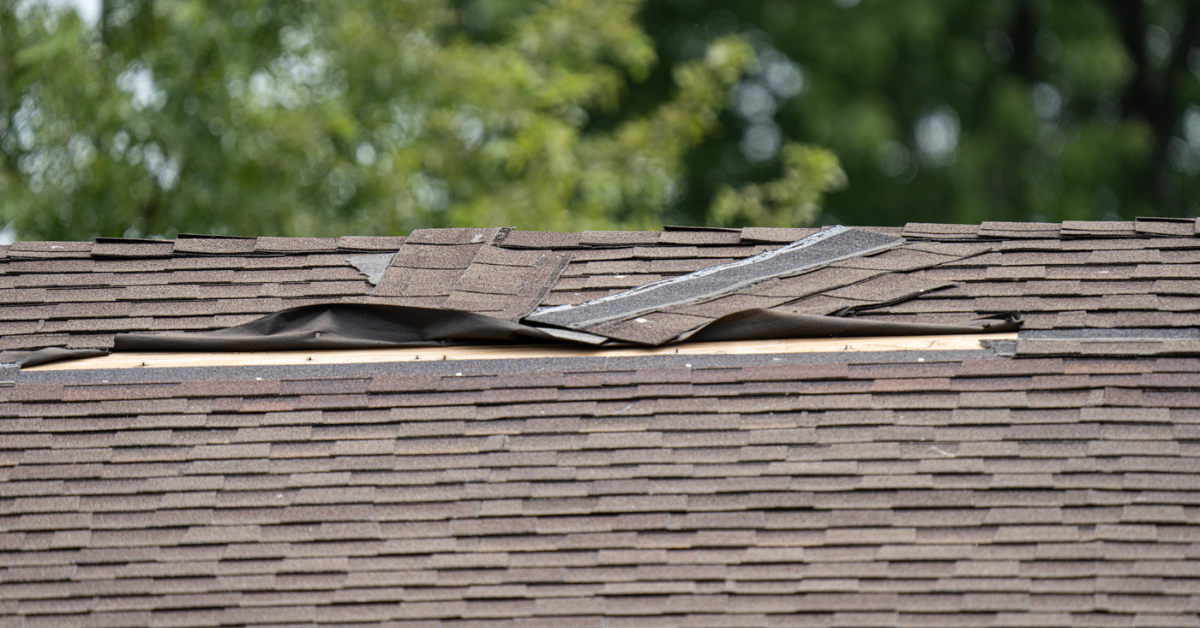
5 Silent Signs of Roof Damage Most Homeowners Miss
Roof damage rarely announces itself with obvious leaks or dramatic collapses. In most homes, the early warning signs are subtle—almost invisible until the problem has already grown costly. Because the roof sits out of sight and often out of mind, homeowners may overlook small changes that signal deeper structural issues. Understanding what these quiet indicators look like can help you catch problems months or even years before they turn into major repairs. Here are 5 silent signs of roof damage many homeowners never notice until it’s too late.
1. Granule Loss That Shows Up in Unexpected Places
Many homeowners only think of their roof when they spot missing shingles, but a far earlier sign of damage appears in the form of granule loss. Over time, asphalt shingles shed protective granules, and while some shedding is normal, excessive loss can indicate aging, storm damage, or poor ventilation. The tricky part is that this sign rarely appears on the roof itself. Instead, it shows up in gutters, downspouts, driveway runoff, or even around the edges of landscaping. If you start noticing what looks like coarse sand accumulating where it shouldn’t be, your shingles may be losing their protective barrier. Without these granules, the shingle layers beneath are exposed to UV radiation and moisture, speeding deterioration and increasing the risk of leaks.
2. A Rise in Energy Costs Without a Clear Explanation
A less obvious indicator of roof trouble comes in the form of rising heating and cooling bills. Your roof plays a crucial role in insulating your home, regulating temperature, and directing heat flow. If your energy costs climb noticeably from one season to the next and there have been no changes in HVAC use or utility rates, your roof could be the culprit. Damaged shingles, compromised underlayment, or deteriorating attic ventilation systems can all allow heat to escape during winter and enter during summer. Even a small breach in insulation or ventilation can create a significant shift in energy performance. Many homeowners don’t link fluctuating utility costs with roof condition, but the connection is more common than people realize.
3. Dark Streaks or Spots That Aren’t Water Stains
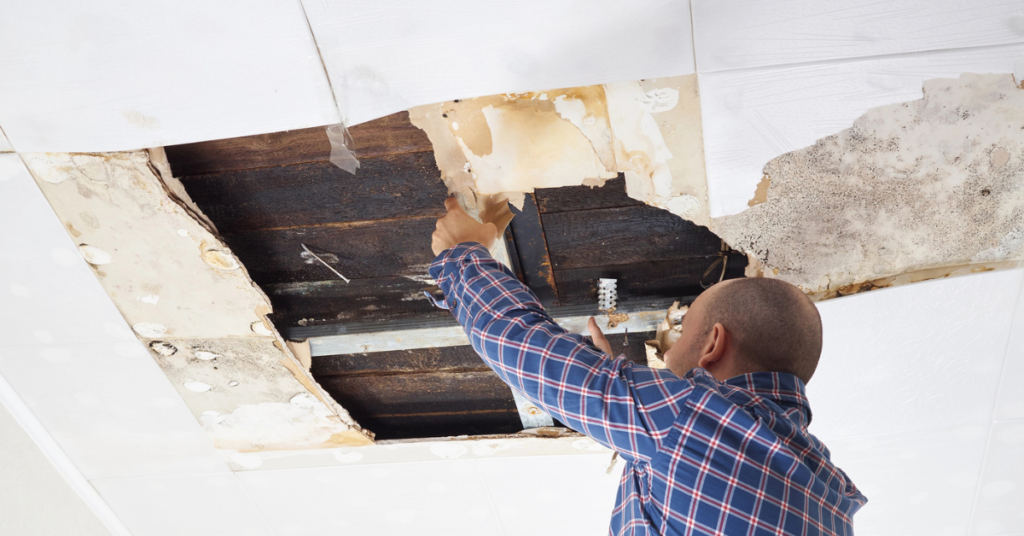
When discoloration appears on interior ceilings, it’s easy to assume it’s a plumbing issue. However, dark streaks or faint shadowy areas on ceilings and walls can be early indicators of moisture penetration from above. These marks often develop long before water actually drips into the living space. Sometimes the streaks appear due to algae or mold growth inside attic spaces where warm, moist air collects. Other times, slow roof leaks cause wood framing to dampen gradually, transferring discoloration to the drywall below. If you spot marks that look like water stains but don’t correspond with recent rainfall or plumbing activity, the roof may be allowing moisture to seep in silently.
4. A Sagging Roofline That’s Easy to Overlook
Most homeowners look for missing shingles or broken flashing, but very few stop to examine the overall shape of their roof. From the street, your roofline should appear straight and even. When subtle dips, curves, or sags develop, they often go unnoticed because the changes happen gradually. A sagging roofline can signal structural issues such as compromised rafters, waterlogged decking, or long-term moisture exposure. Even a slight dip of only a few centimeters can indicate serious underlying problems. What makes this sign especially dangerous is that the visible sag is usually the final symptom in a long process of decline. Catching it early can prevent catastrophic damage during storms or heavy snowfall.
5. Excessive Attic Humidity That Creates a Hidden Microclimate
The attic is one of the most overlooked spaces in any home, yet it’s one of the first places where roof damage reveals itself. High humidity levels in the attic can point to poor ventilation or slow leaks that haven’t penetrated interior layers. If you notice a musty smell, damp insulation, warped stored items, or visible condensation on rafters, your attic may be trapping moisture. This trapped moisture accelerates wood rot, encourages mold growth, and can weaken the entire roofing structure. The most challenging aspect of this sign is that homeowners rarely inspect their attics unless they’re storing belongings, meaning damage can progress silently for years before being discovered.
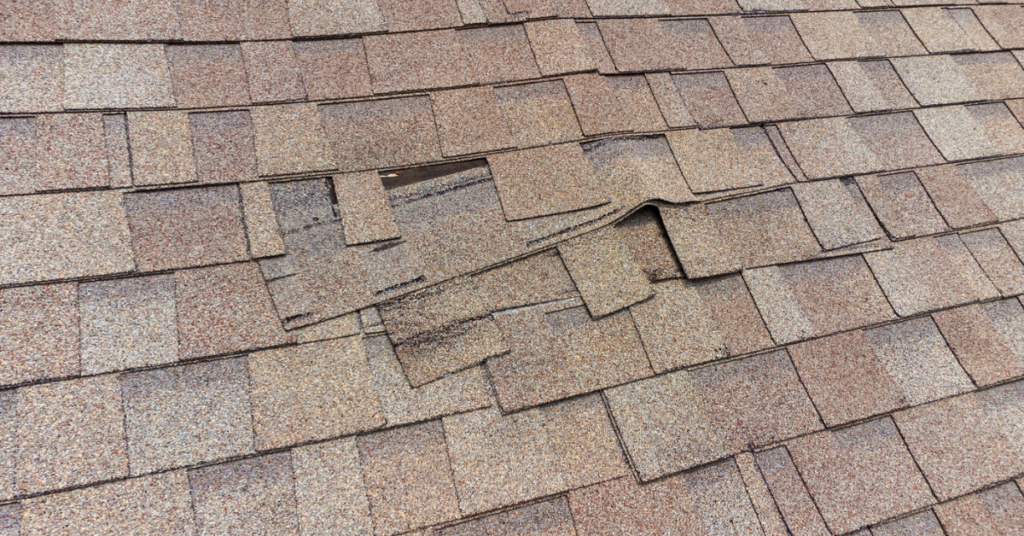
Roof problems don’t always start with obvious failures. Often, the earliest signals are small, quiet, and easy to miss during day-to-day life. By learning to recognize subtle indicators like granule loss, energy cost fluctuations, discoloration, sagging rooflines, and attic humidity, homeowners can act before minor wear turns into major repair bills. Taking time for routine inspections and paying attention to these understated signs can extend your roof’s lifespan, protect your home’s interior, and give you peace of mind—long before a leak ever appears.
If your roof is getting old, showing signs of damage, or was hit by a storm recently, it’s important to take action quickly when you think something’s wrong! Choose Legends Roofing for your roofing needs. We are licensed and insured and bring over 15 years of experience to the table. We serve Mandeville, Covington, Slidell, Hammond, Abita Springs, and more.
Count on us for free estimates, ensuring transparency and trust in every step of your roofing project. Our roofing experts will recommend the best type of roof to keep your family and home safe from Louisiana hurricanes for a long time. Contact us today to schedule your free roofing estimate!